


A Legacy from Theresienstadt
Updated: Augst 2026
The goal is set, the vision clear: We aim to transform 30 years of remembrance work and a unique literary legacy of Theresienstadt into something that will endure and continue to grow. To make this vision come true, we have started this project:
The Power of Humanity. A Legacy from Theresienstadt.
The Girls of Room 28. Online-Exhibition | International Learning Platform
Exploring the Room 28 Media Archive. Focus in phase 1: The Theresienstadt Diary by Helga Pollak and Brundibár and the Girls of Room 28.
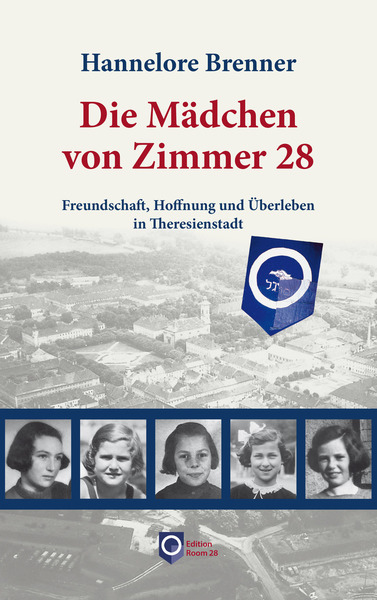
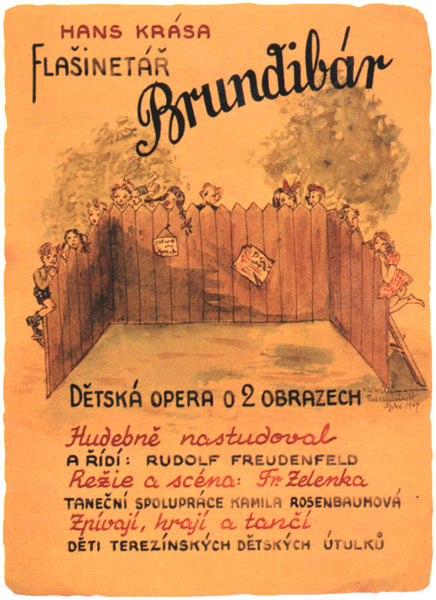
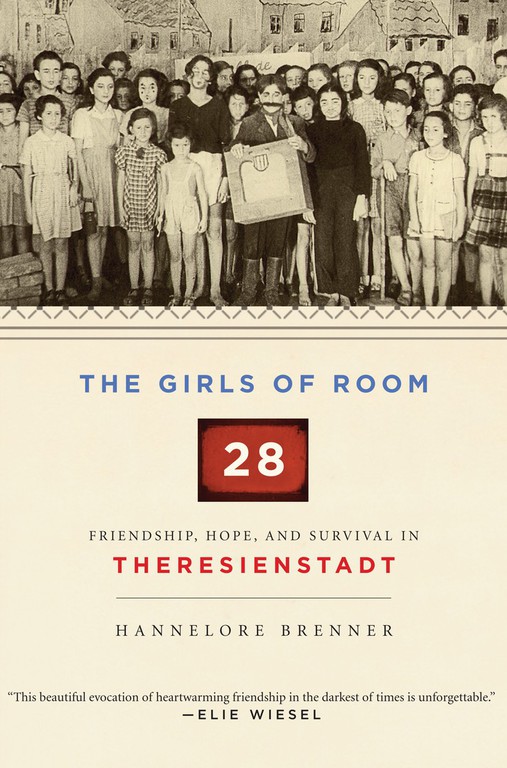
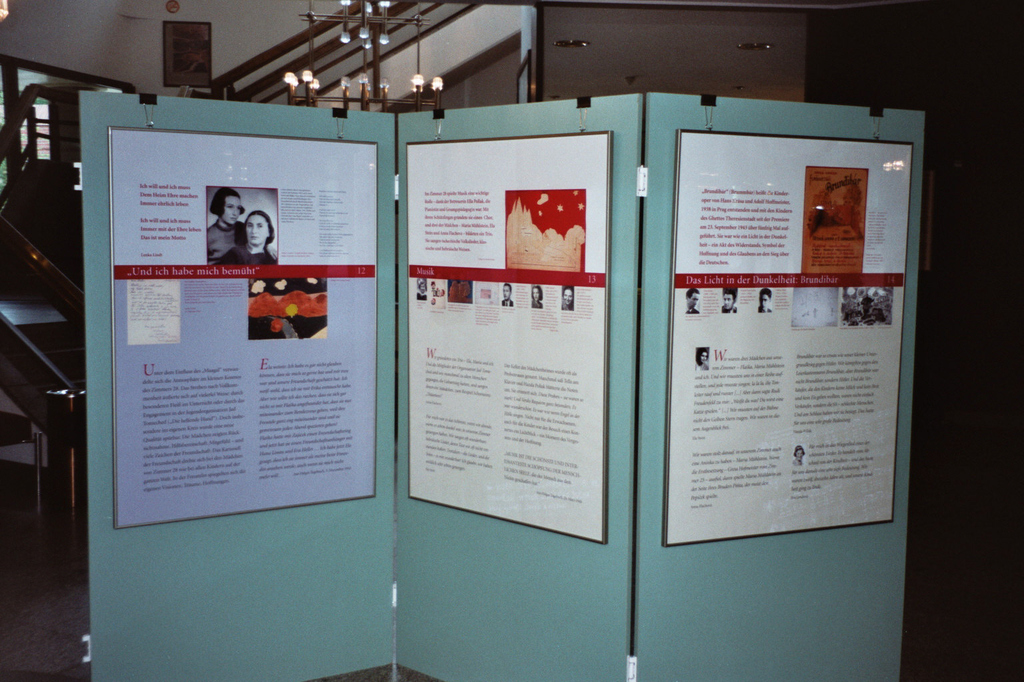
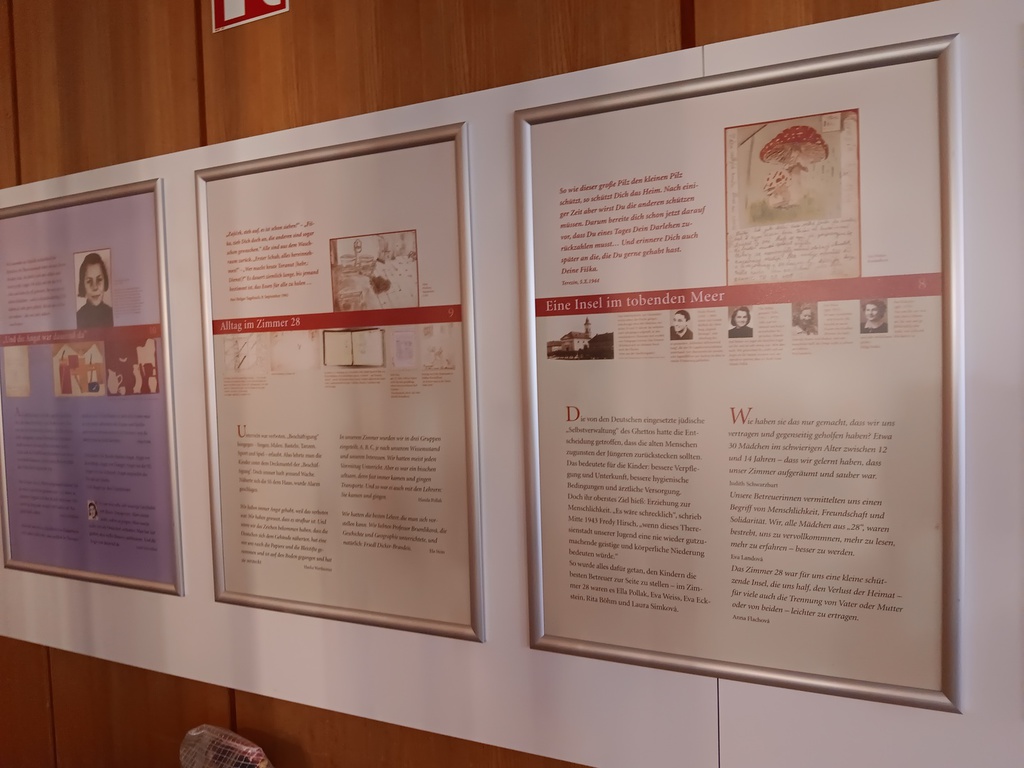
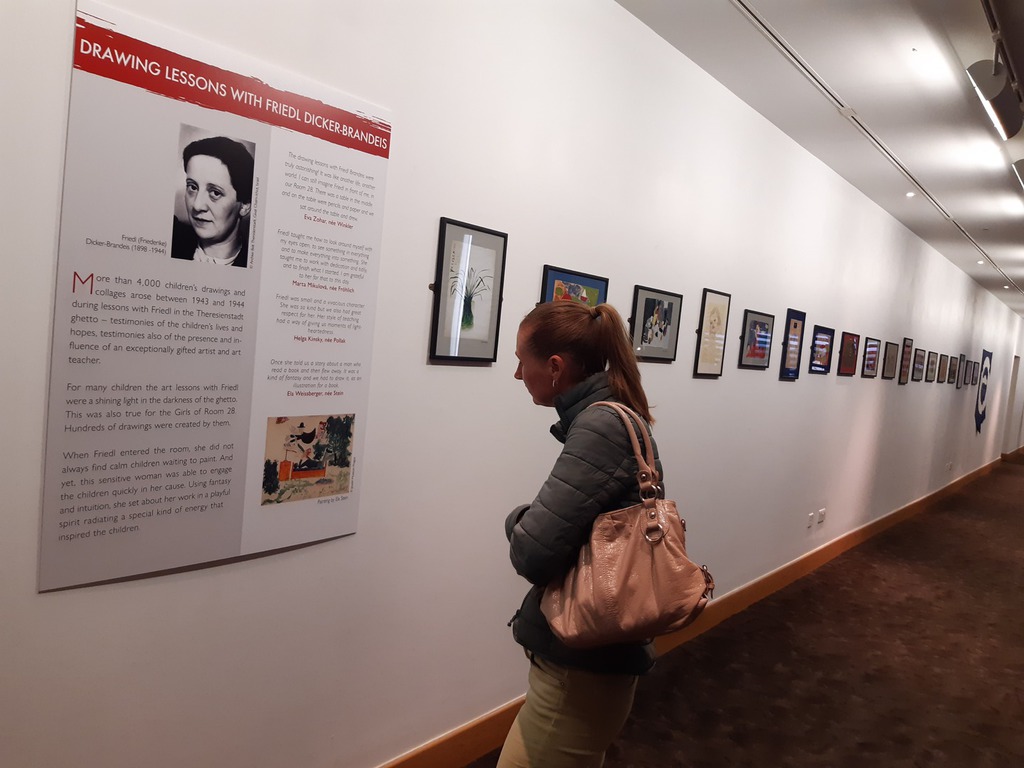
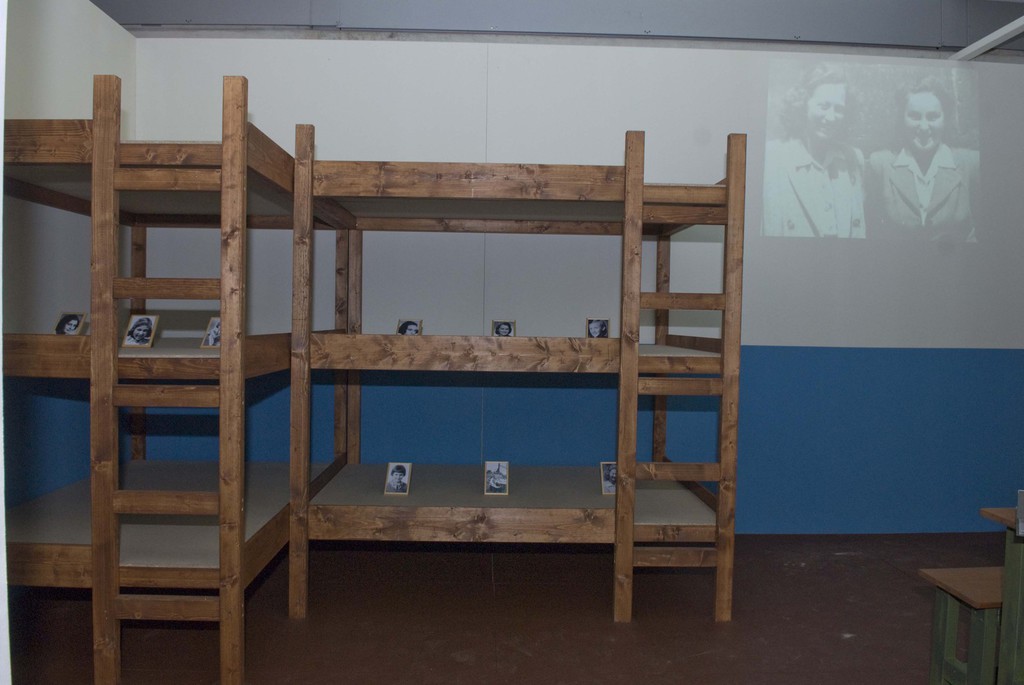
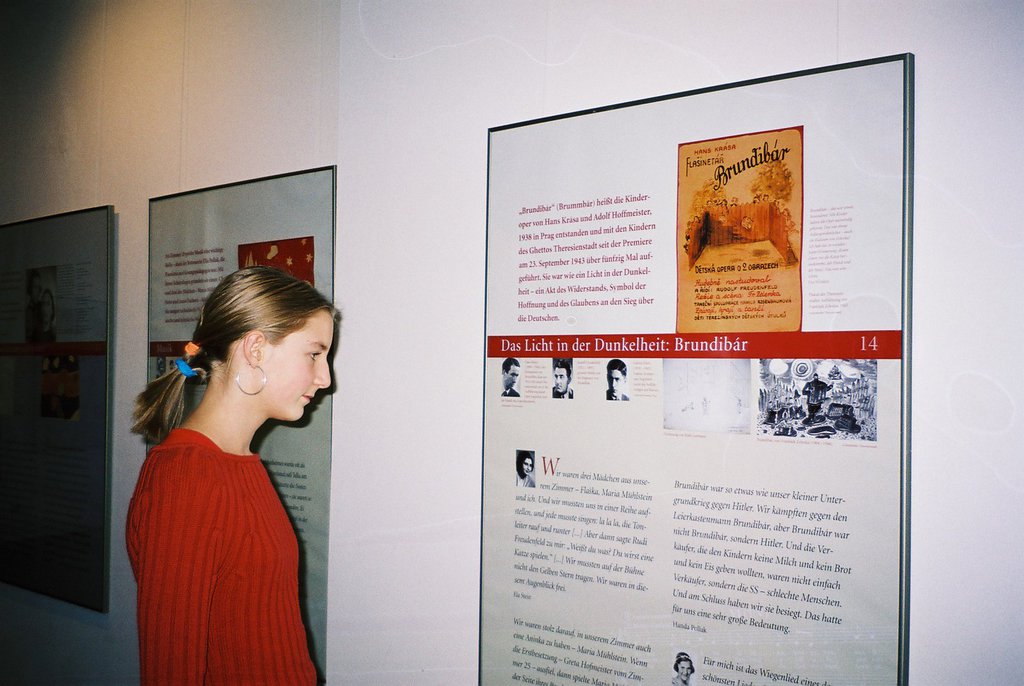
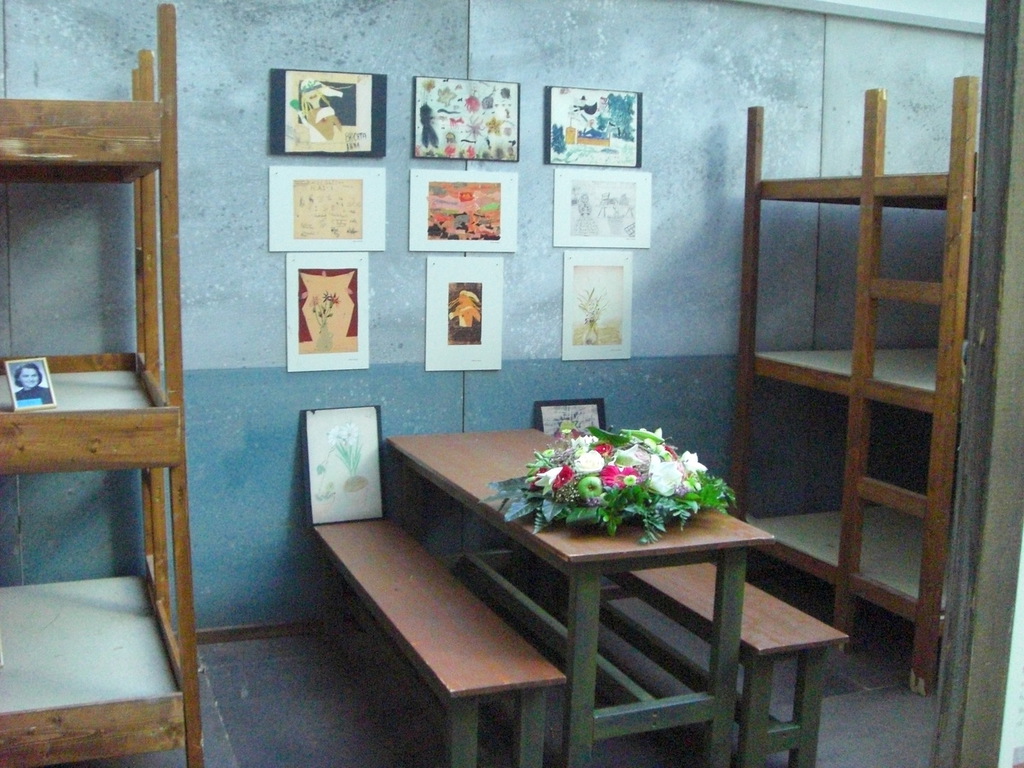
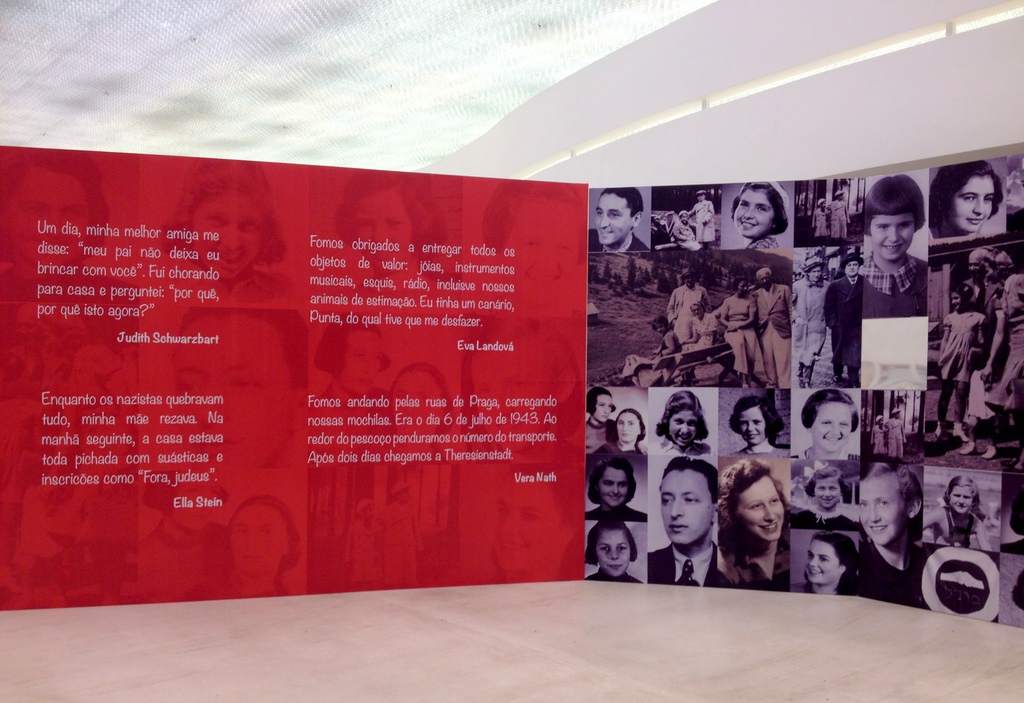
The story of the “Girls of Room 28,” presented through an online exhibition and an international platform for Education, will be a powerful resource for historical education. It helps combat forgetting and rising anti-Semitism. It promotes democracy and human compassion.
The Creation of a Lasting Memory
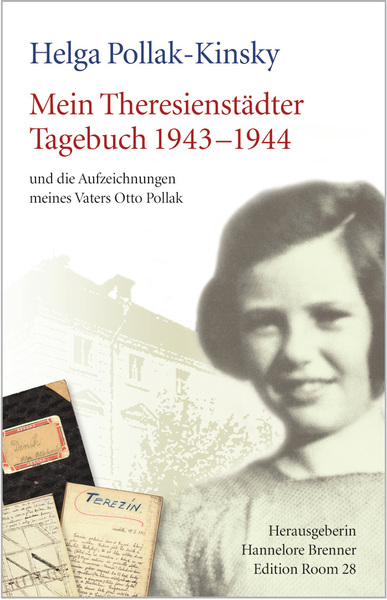
From memories, a diary, a scrap book, children’s drawings and further original documents from the Theresienstadt ghetto, a book, an exhibition, and a play were created in 2004, which led to the Room 28 project of Education, and in 2007 to our organization Room 28 e.V. In 2014 the publication series "Edition Room 28" started with the publication of the key-document of the project of Remembrance: "Mein Theresienstädter Tagebuch (My Terezin Diary) by Helga Pollak-Kinsky.
Yet, this is not the end of the story. Thirty years after this Jewish-German project of remembrance began, it still continues to grow. Now our focus is on preserving and opening up an extensive media archive – an archive of memories that has been growing since 1996. It contains audio and video recordings, interviews, and other unique testimonies that form an essential part of the Girls' legacy. Through the educational platform, this archive will gradually become accessible to educators, students, researchers, and the wider public.
For Download: Description of the Project

A powerful resource for education
Udo Gittel, member of our organization and speaker of our educational team:
- The Room 28 Project of Remembrance and Education, based on the precious authentic Theresienstadt Diary of Helga Pollak and on the story of The Girls of Room 28 offers an extraordinary and unique opportunity for historical political education in the fight against oblivion and in the face of the growing danger of Antisemitism and the threat to democracy. It would be an immeasurable loss if the project with all its publications and materials, with its exhibition and the Media Archive were to be lost, and if all this would not made available in an appropriate manner. That is why we strongly support this project.
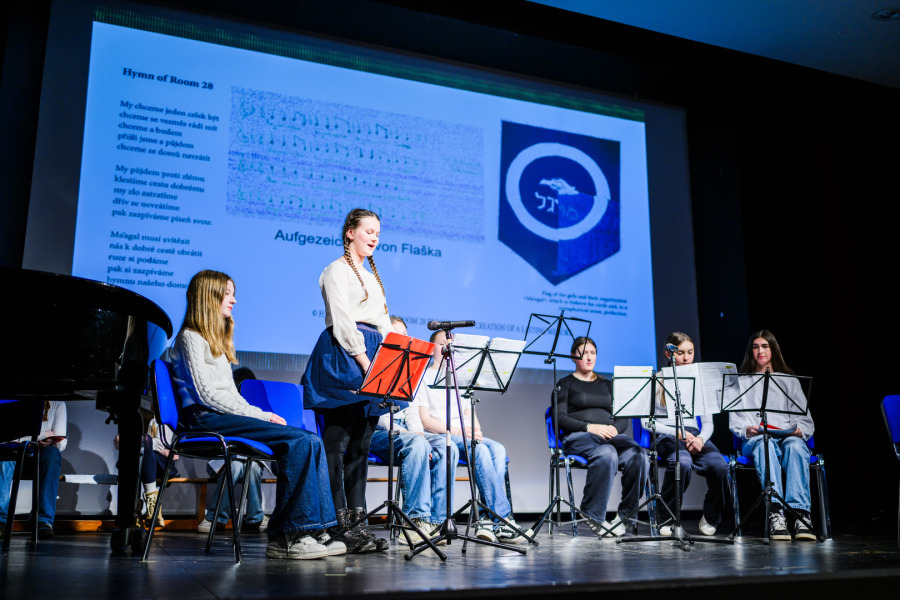 Otfried-von-Weißenburg-Gymnasium, 27. 1. 2026
Cooperations with Schools
Since 2004, schools have played a central role in bringing the story of the "Girls of Room 28" to new generations. Some have staged Hannelore Brenner's play, published by Edition Room 28; others have created dramatic readings accompanied by music or developed their own educational projects inspired by the Girls' story.
Recent examples are the events organized by the Otfried-von-Weißenburg-Gymnasium in Dahn (Palatinate Forest), by the Paulus-Praetorius Gymnasium in Bernau, the Gymnasium Heide-Ost and in the Ilse-Löwenstein-Schule in Hamburg kain Hamburg.
Such collaborations have become one of the cornerstones of the Room 28 Educational Project. Teachers, in particular, are the most important custodians of this living legacy. To strengthen and expand this work, the Room 28 Association has established an Educational Team.
The Theresienstadt Diary of Helga Pollak
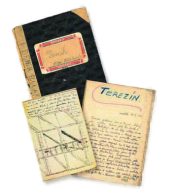
"The story of the young Helga, who survived the Theresienstadt ghetto and deportation to Auschwitz, is a model case of remembrance and commemoration of the fate of European Jews; her autobiographical notes are comparable to the diary of Anne Frank."
Prof. Peter Gstettner in his Epilogue to the book "Mein Theresienstädter Tagebuch 1943-1944", published 2024 by Edition Room 28.
The diary of Helga Pollak is the first publication of Edition Room 28.
Safeguarding the Legacy
To ensure that the legacy of the "Girls of Room 28" continues to grow and inspire future generations, we are seeking a suitable institutional home for the Room 28 Media and Document Archive, the author's literary legacy, and the educational work developed over more three decades.
If your institution is interested in learning more, we would be pleased to send you our brochure. It is also available through Edition Room 28.
Edition Room 28. You can write us an E-Mail: info@room28.net
Supporting. Donating. Making a difference.
Your donation makes a difference. Should you want to support our project: You can do it directly over our account for donations or visit our project on the donation platform on Bettereplae.
And your voice too. Visit our project on Betterplace:
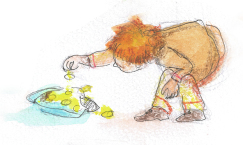
The Room 28 Media Archive. Literary Estate.
It is high time to digitize, explore and to catalogue the extensive and valuable Room 28 Media Archive and to make it available for the Room 28 Project of Remembrance and Education. But that's not all: The archive is to be made internationally accessible to the general public as a resource for research and historical education on topics such as Nazi regime, Persecution of Jews, Protectorate of Bohemia and Moravia, Theresienstadt ghetto, Auschwitz-Birkenau, Holocaust and beyond.
The Audio and Film Archive by the author Hannelore Brenner encompasses an amount of audio recordings of interviews with eyewitnesses from the circle of the “Girls of Room 28” and with other survivors of Theresienstadt and Auschwitz. It started with her work for the radio documentary “Brundibár and the Children of Theresienstadt” and continued until the publication of the book “The Girls of Room 28” in April 2004. Interviews were conducted in German and English.
Film footage shot in 2003 in London and Spindlermühle, in 2006 in Spindlermühle and Terezin, and in 2010 in Marienbad is also part of this media archive, as are recordings of events featuring the “Girls of Room 28” beginning in 2004. In addition, there are already produced radio features and short films, such as the following film Memory, produced by Eliana Schejter and Addie Reiss in Israel
Memory Drops
Another film “I wander through Terezin: In the footsteps of the Girls of Room 28,” was produced as part of a German-Czech cooperation project. Some interviews were conducted in German, while others were made in English. - Excerpts from the audio and film recordings will be incorporated into the Room 28 Project of Remembrance and Education and in the digital Exhibition.
The Creation of a Lasting Memory
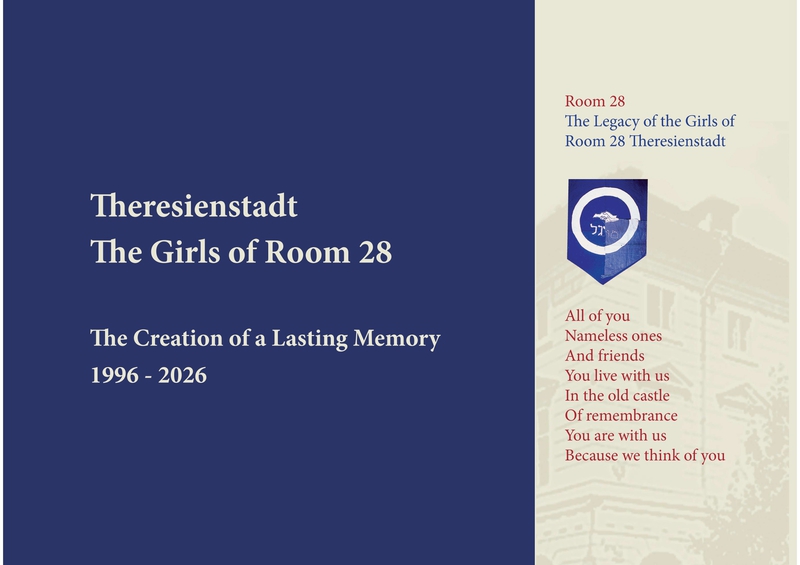
The brochure The Creation of a Lasting Memory (English language) by Hannelore Brenner is the key literature to the overall project. It gives an insight into a unique German-Jewish project which developed over a period of 30 years and roots in the desire of the survivors of Room 28 of Girls’ Home L 410 in the Theresienstadt Ghetto to create a Lasting Memory. From the very beginning the project was inspired by a vision and a strong determination to make that vision a reality.
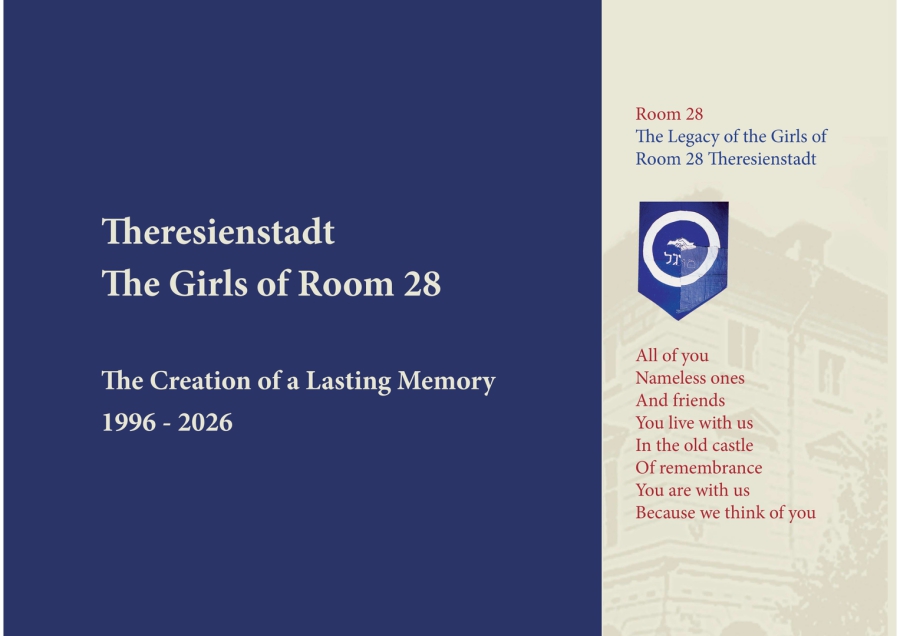
The brochure is also meant as an offer to international film-producers and people from the world of theatre to get involved and play a key role in the Creation of a Lasting Memory by producing a Feature and Documentary film and a Music Theatre Play as these are the most powerful ways to keep their story and their messages alive.
Basically, we strive to keep the legacy of the “Girls from Room 28” and that of the author Hannelore Brenner (Edition Room 28, Room 28 Media and Document Archive) alive and carry it forward into the future—ideally in cooperation with a major, like-minded institution. If you are interested, we would be happy to send you the brochure.
Insights into the brochure
PDF-Dokument [5.6 MB]
PDF-Dokument [921.1 KB]
PDF-Dokument [748.7 KB]
PDF-Dokument [1.1 MB]
PDF-Dokument [485.7 KB]
PDF-Dokument [1.9 MB]
Target audience, Aims, Cooperations
- The project’s target audience are schools and educational institutions, teachers and actors in the fields of education, art, and culture.
- A goal of the project is to bring the Room 28 project of remembrance and education into the heart of our society and embed it in school curricula – because it combats historical amnesia and Anti-Semitism and highlights the importance of art, culture and humanity.
- A goal of the project is to build an international network, gain allies, advocates, and supporters, in order to fulfill the central mission of our association and the vision behind the Room 28 Project of Remembrance and Education.
- Partnership or cooperation projects with schools and educational institutions are the cornerstones of our project.
- www.room28.net/kooperationen/
Exhibition "The Girls of Room 28"
The exhibition was created in 2004 and quickly became a traveling exhibition. Versions of the exhibition were produced in Czech, French, English, and Brazilian. There are further details about the modernization of our exhibition on:
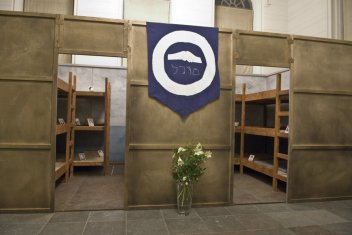 Model of Room 28, January 2009. Jewish Museum, Rendsburg. Photo © www.evelinfrerk.de
 Druckversion